



In 2025, brands and marketers face a familiar dilemma: should you invest more in email marketing or social media marketing? The truth is, both channels have critical roles — but they function differently, deliver different kinds of results, and demand different strategies. Understanding what each does best (and where it falls short) is the first step to building a growth strategy that works.
In this article you’ll find:
- Clear definitions of each channel and how it works today.
- Review of key metrics and performance data for both.
- Side-by-side comparison of strengths, weaknesses & best uses.
- Guidance on which channel to prioritise — and when.
- How to combine them effectively for maximum growth.
✉️ Email nurtures relationships; 📱 Social media builds awareness.
📬 Email is personal; 🌍 Social media is public.
🔄 Email keeps your audience engaged; 💥 Social helps you find them.
1. What Is Email Marketing (in 2025)
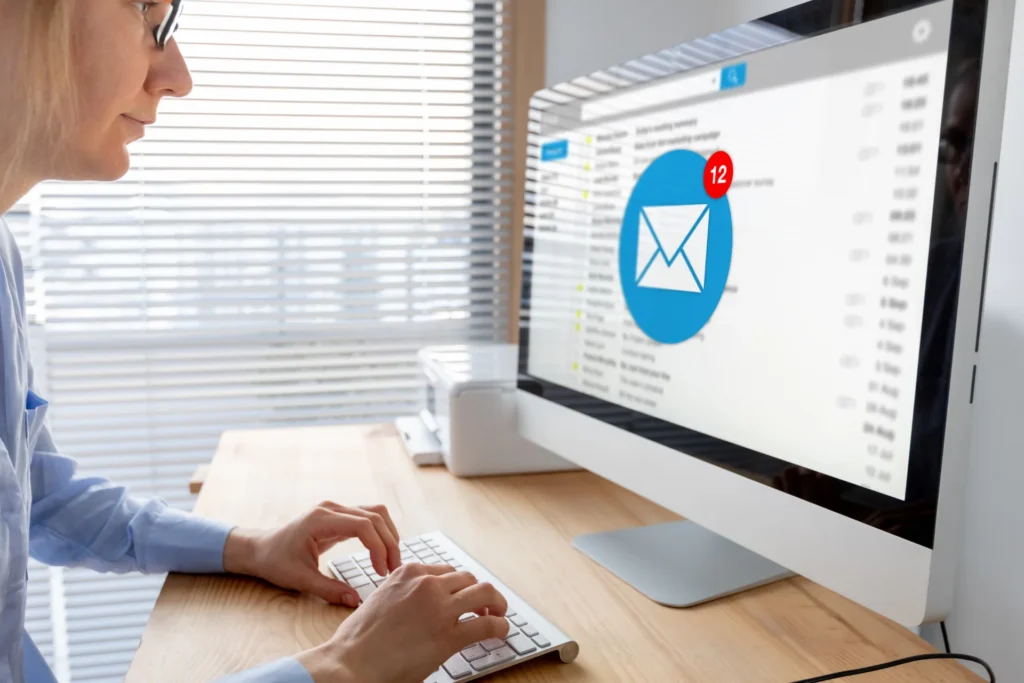
Email marketing, at its core, is the practice of sending targeted email messages to lists of opted-in subscribers. Over the years it’s matured far beyond “blast and pray” campaigns — today’s platforms enable segmentation, personalization, automation workflows, and behavioural triggers.
You own the list. There’s no algorithm gatekeeper. If you send to a clean list, your message lands (subject to deliverability). According to recent data: one platform reported a 68:1 ROI for email campaigns.
Key features to note:
- Automation sequences (welcome series, abandoned-cart recovery, drip campaigns)
- Segmentation & personalization based on behaviour, purchases and data
- Controlled delivery (you decide when content reaches inbox)
- Strong tracking: opens, clicks, conversions, revenue per email
Because email puts the message into an inbox you (mostly) control, it offers exceptional precision for nurturing, retention, and conversions.
📊 “Did you know? Email marketing delivers an average ROI of $36 for every $1 spent, according to multiple industry studies.”
2. What Is Social Media Marketing (in 2025)
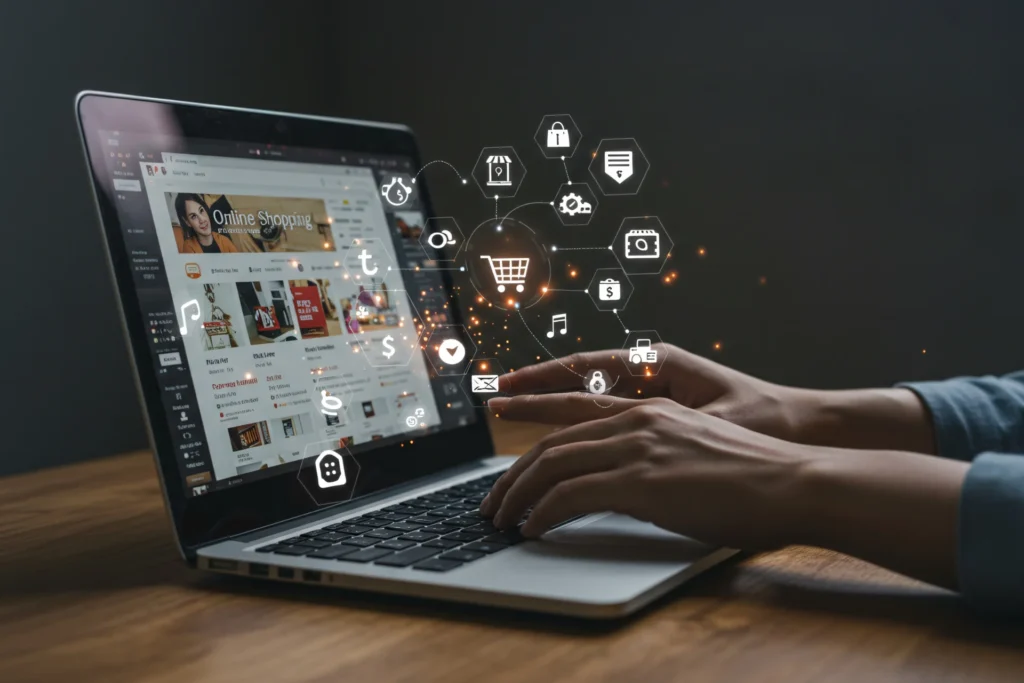
Social media marketing uses platforms like Instagram, TikTok, LinkedIn, and Facebook (among others) to build audiences, engage users, share content, and drive traffic or leads. Unlike email, you don’t always have “direct” access — you’re reliant on algorithms and platform rules.
Key features:
- Broad reach and virality potential
- Two-way engagement (comments, shares, live video)
- Discovery and community building
- Rapid content cycles and real-time interaction
But as many industry reports show, the downside is that much of your reach is algorithm-driven and harder to control. According to one study: some social platforms’ organic reach has dropped below 5 % of followers.
💡 “Social media algorithms now limit organic reach to less than 5% of followers — which means you’re renting, not owning, your audience.”
3. Why the Comparison Matters
Marketers often pit email and social media against each other because budgets are finite and each channel asks for attention, time and resources. The real question isn’t which is better overall, but which is better for your goal right now.
- Is your objective awareness and reach (social) or conversion and retention (email)?
- Do you already have a list, or are you building one?
- What’s your cost per acquisition, and which channel delivers better ROI?
By evaluating side-by-side, you can allocate budget and effort more strategically.
4. Email Marketing vs Social Media Marketing — Strengths & Weaknesses
| Channel | Best For | Strengths | Weaknesses |
|---|---|---|---|
| Email Marketing | Conversion, retention, direct access | High ROI (reported $36–$45 per $1 spent), owned audience, detailed metrics | Requires list building & maintenance, potential deliverability issues |
| Social Media | Brand visibility, engagement, new audience | Massive reach, real-time interaction, virality potential | Algorithm dependency, lower conversion rates, harder to track ROI |
Key insights:
- Reach vs control: Social media reaches large audiences but you don’t always control who sees your content. Email gives you direct access but a smaller pool.
- Cost and ROI: Email marketing continues to show very high ROI (some estimates $36–$45 for every $1 spent) while social media ROI is more variable and typically lower.
- Lifespan of content: Emails live in inboxes; social posts disappear quickly or rely on algorithmic visibility.
- Engagement types: Social excels at community and interaction; email excels at persuasion and conversion.
- Dependency: On social platforms you ‘rent’ your audience; with email you ‘own’ it. That ownership means more stability and fewer surprises.
🧠 “The smartest marketers don’t choose between email and social — they make both work together.”
5. When Email Marketing Works Better
For many businesses, email marketing is the more effective channel for growth when:
- You have an existing audience or subscriber list.
- Your goal is to convert, not just reach — e.g., e-commerce sales, webinar registrations, SaaS sign-ups.
- You want consistent, predictable performance and high ROI.
- Your business model relies on retention or repeat purchase (newsletters, memberships, product updates).
💡 Pro Insight: “Test your subject lines using emojis and personalization — open rates can jump by up to 20%.”
Because email allows deep segmentation, behavioural triggers and personalization, you can create campaigns tailored to individual user journeys — which translates into higher conversion rates. Research shows email outperforms social in engagement and conversions when used properly.
6. When Social Media Marketing Works Better
Social media becomes a stronger choice when:
- Your primary need is brand awareness, new audience acquisition or virality.
- You’re launching new-to-market products and want to test visual appeal or messaging quickly.
- Your target audience spends time on visual or engagement-centric platforms (e.g., fashion, travel, B2C lifestyle).
- You’re leveraging influencer marketing, user-generated content or community building.
🧩 Expert Tip: “Always include a social share CTA in your newsletters — it expands organic reach effortlessly.”
Social is ideal for discovery. Where email is “you send to them”, social is “they find you or you find them”. If you have little to no subscriber list yet, social can help build awareness — which you then convert via email. Many sources suggest using social to feed email.
7. The Smart Strategy: Combine Both for Growth
If choosing only one channel feels restrictive, that’s because it often is. The most successful marketers in 2025 treat social media and email marketing as complementary pieces of a funnel — not competitors.
Here’s a simple structure:
- Use social media for discovery and lead capture
- Run paid or organic campaigns to attract new users
- Use engaging content (reels, stories, posts) to draw interest
- Direct users to a landing page or form where they subscribe to your email list
- Use email marketing to nurture and convert
- Welcome series that introduces your brand or product
- Segmented campaigns based on behaviour or purchase history
- Automated workflows for onboarding, upselling, re-engagement
- Feedback loop and optimization
- Use email insights (open rates, click-throughs, conversions) to refine your social content and targeting
- Use social engagement data to segment and personalize emails
⚠️ Important: Don’t buy email lists. It damages your sender reputation and can permanently affect deliverability.
By integrating both, you get the reach of social and the conversion power of email — a high-performing growth engine.
8. How to Choose Based on Your Business & Goals
Here’s a decision framework to help you allocate budget and effort:
- If you have a large list already → Focus on email; invest in segmentation, automation and personalization.
- If your list is small or zero → Start with social to build awareness, use paid ads + organic to capture leads, then send them into an email funnel.
- If your business is product- or community-led (B2C lifestyle, fashion, e-commerce) → Use social heavily for visual storytelling, then convert via email.
- If your business is high-value, B2B or SaaS → Email tends to work better for longer nurture cycles and higher ticket conversions.
- If you’re resource-constrained → Email offers more predictable ROI; social may require more content creation, paid budget and variable performance.
9. Key Metrics to Track for Each Channel
| Channel | Metric | Why It Matters |
|---|---|---|
| List growth rate | Indicates how fast your audience is scaling | |
| Open click-through & conversion rate | Shows how engaged your list is and how many act | |
| Cost per acquisition (CPA) | Tracks cost of acquiring each subscriber/buyer | |
| Social | Reach & impressions | Shows how many see your content |
| Social | Engagement rate (likes/comments) | Signals how well your content resonates |
| Social | Conversion rate from social → list/email | Measures effectiveness of moving users deeper |
10. Final Takeaway
There’s no universal “winner” between email marketing and social media marketing — it depends on your audience, goals, resources and timing. But if we had to pick one today for growth with measurable ROI, email marketing often comes out ahead because of its precision, ownership and conversion power.
That said, neglecting social media means missing out on the broader reach, community-building and discovery that fuels long-term growth. In 2025 the smartest strategy is integrated: use social media to open doors, email to walk through them.
Whether you’re building your first subscriber list or scaling a multi-channel brand, focusing on audience ownership (via email) and engagement + discovery (via social) will give you the strongest foundation for growth.
💡 Pro Tips to Maximize Both Email & Social Media Marketing
- Use Social to Grow Your Email List: Promote gated content (like eBooks or discounts) via Instagram, TikTok, or LinkedIn, and direct users to subscribe.
- Embed Social Sharing Buttons in Emails: Encourage subscribers to share campaigns on their profiles — expanding organic reach.
- Retarget Email Non-Openers with Social Ads: Sync your email list with Facebook Custom Audiences to re-engage inactive subscribers.
- Repurpose Content Both Ways: Turn your best-performing posts into newsletters and your best-performing emails into carousel or reel content.
- Leverage Data: Use engagement insights from both channels to identify what messaging drives conversions — refine each accordingly.
FAQ’s
Recent Comments